Your garage door is the largest moving part of your home, opening and closing roughly 1,500 times a year. Fifteen minutes of attention each spring and each fall prevents the majority of the service calls we get from DFW homeowners. Here's the checklist we hand to our own customers — print it, save it, run through it twice a year.
The Twice-a-Year Checklist
- Test the door's balance. With the opener disengaged (pull the manual release cord), lift the door halfway by hand. A balanced door should stay put. If it drops or flies up, the springs are out of adjustment and your opener is working overtime — stop and call a technician before the motor burns out.
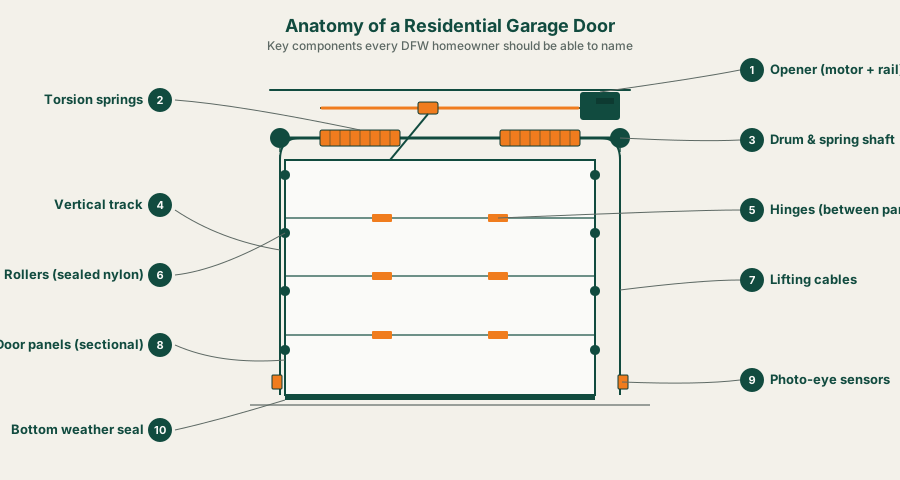
- Inspect the springs. Look at the torsion springs above the door (or extension springs along the tracks). Any visible gaps in the coil, rust streaks, or one side hanging looser than the other? That's a pre-failure warning. Don't operate the door — call a tech.
- Inspect the cables. Cables run from the bottom corners of the door up to drums near the springs. Check for fraying, kinks, or rust. A snapped cable can drop the door — replace at the first sign of fraying.
- Lubricate the moving parts. Use a garage-door-specific lubricant (white-lithium or silicone — never WD-40, which is a solvent, not a lubricant) on rollers, hinges, springs, and bearing plates. Wipe excess so it doesn't drip onto cars.
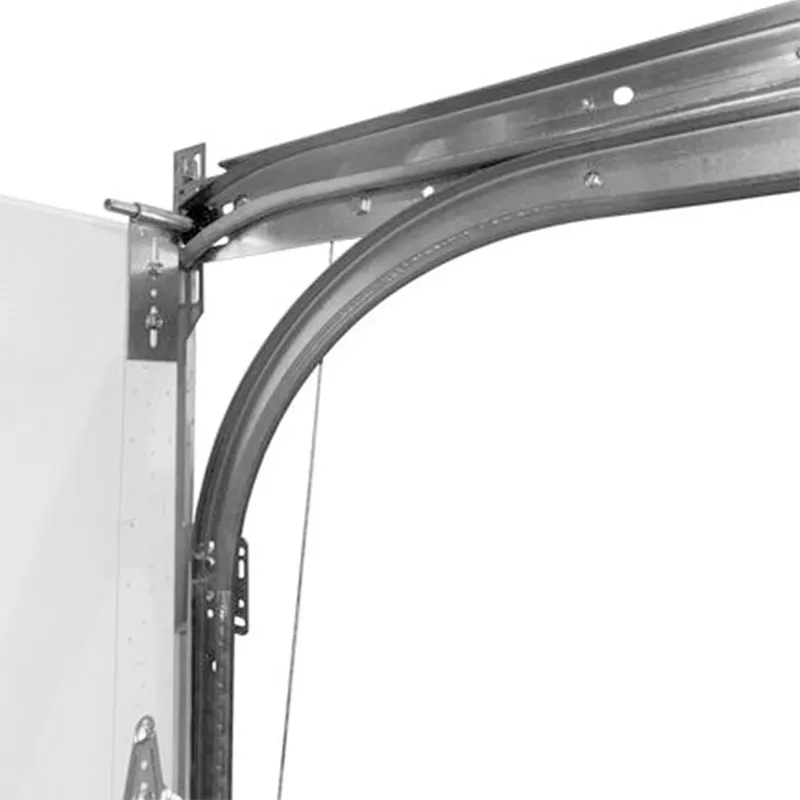
- Clear the tracks. Wipe debris and DFW dust out of the tracks with a damp cloth. Do not grease the tracks — they're guide rails, not a lubrication point. Grease there just collects grit and accelerates wear.
- Tighten the hardware. Vibration loosens bolts and lag screws over time. Snug up roller brackets, hinge bolts, and track mounting hardware with a socket wrench. Firm, not gorilla-tight.
- Test the auto-reverse force. Lay a 2x4 flat on the floor under the door and close it with the opener. The door must reverse on contact. If it doesn't, the down-force is too high and needs adjustment — a safety issue, not optional.
- Test the photo-eye sensors. Wave a broom through the beam near the floor as the door closes. The door must reverse. Wipe dust off the sensor lenses — both alignment lights should be solid (usually green and red).
- Check the weather seal. From inside the garage with the door closed, look for daylight underneath. Cracked or curled bottom seal? Replace it — it's cheap, and it keeps DFW dust, rodents, and storm water out.
- Watch and listen to a full cycle. Run the door up and down once with the opener. Listen for new grinding, popping, or scraping. Watch for jerky travel or hesitation. New sounds are your door asking for help.
When to Stop and Call a Pro
This checklist is safe for any homeowner. Stop here and call us if any of these come up: the balance test fails, you see a visible gap or kink in a spring, a cable is frayed or hanging loose, the safety reverse fails after cleaning sensors, or the door is crooked at rest. Spring and cable work needs specialized tools and carries real injury risk — leave it to a tech.
The Five-Minute Monthly Check
Between full check-ups, take five minutes once a month to: listen to a full cycle, test the auto-reverse with a 2x4, and verify both photo-eye lights are on. That's it. Catching one small problem early — a misaligned sensor or a slipping roller — saves a $300 service call later.
Why DFW Doors Need This Twice a Year
Texas summer heat above 100°F bakes rubber seals and accelerates spring fatigue. Spring hail and dust storms grind into tracks. The freeze-thaw of January and February cracks brittle weather seals. Doing this checklist in March (post-winter) and October (pre-cold-snap) catches almost every issue before it becomes a callout. Stick it on your calendar now.